Fleur de Brume
A micro nursery in Central Brittany / Une micro pépinière en Centre Bretagne
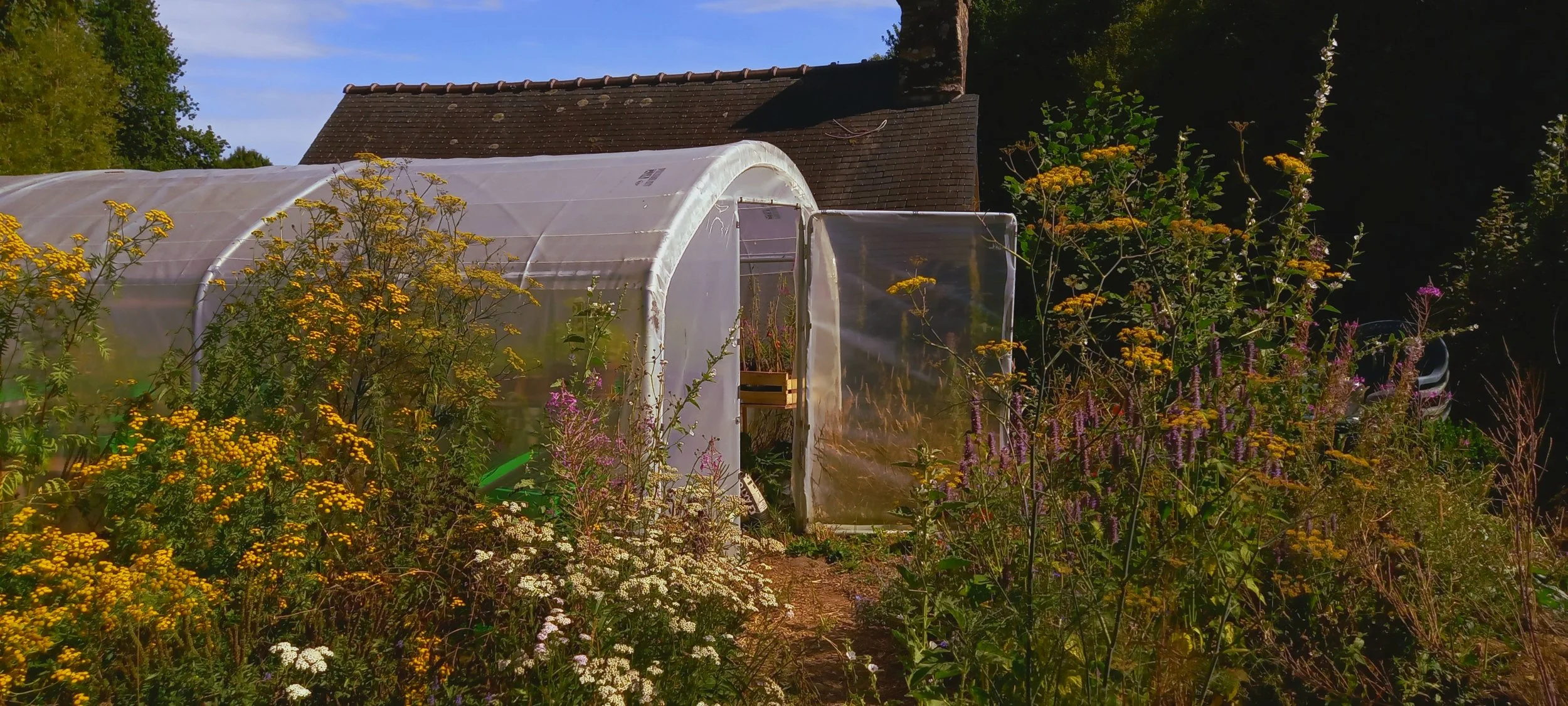
Welcome to plant nursery Fleur de Brume, and the garden of forgotten flowers /
Bienvenue à la pépinière Fleur de Brume, et le jardin aux fleurs oubliées
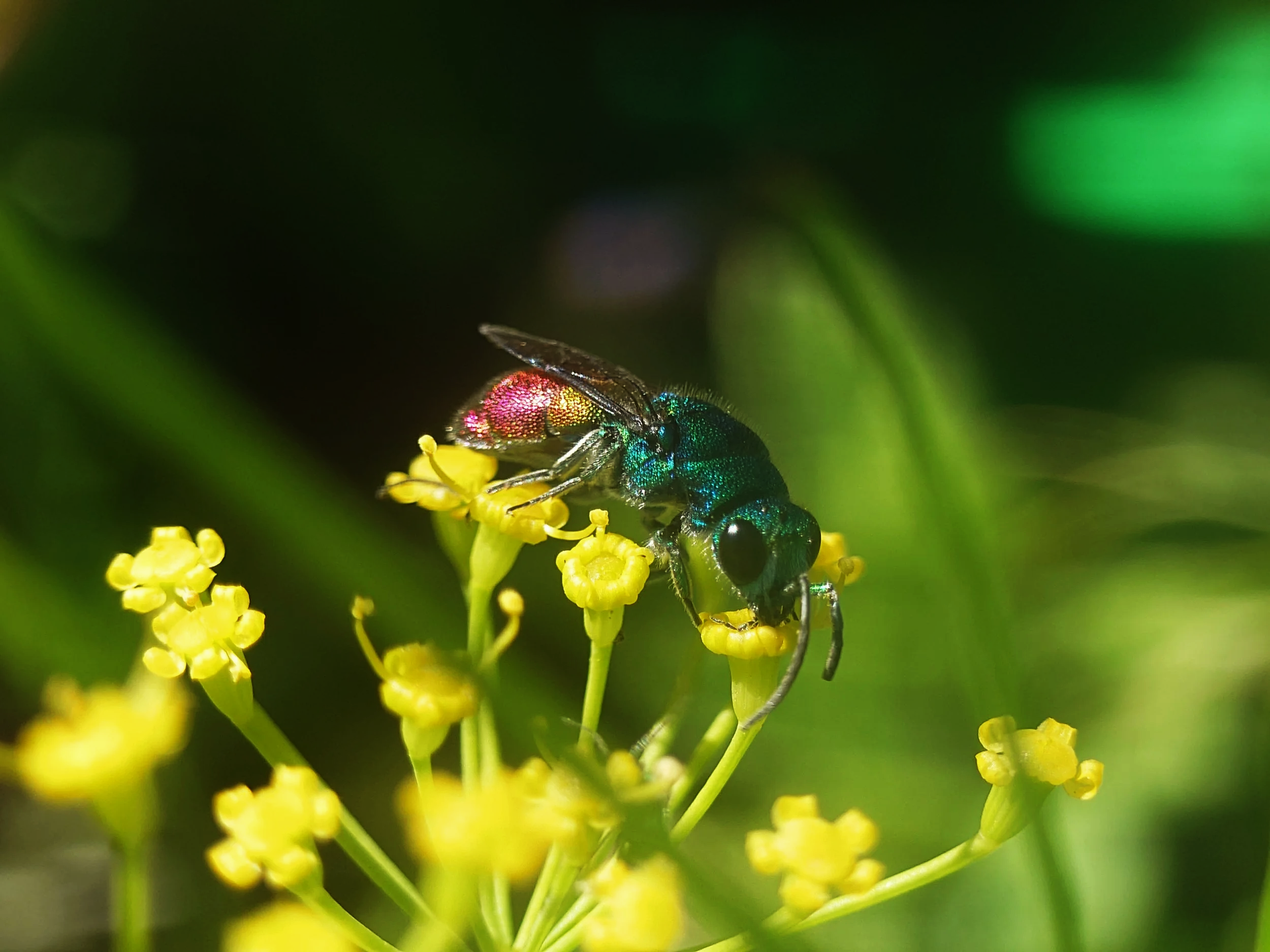
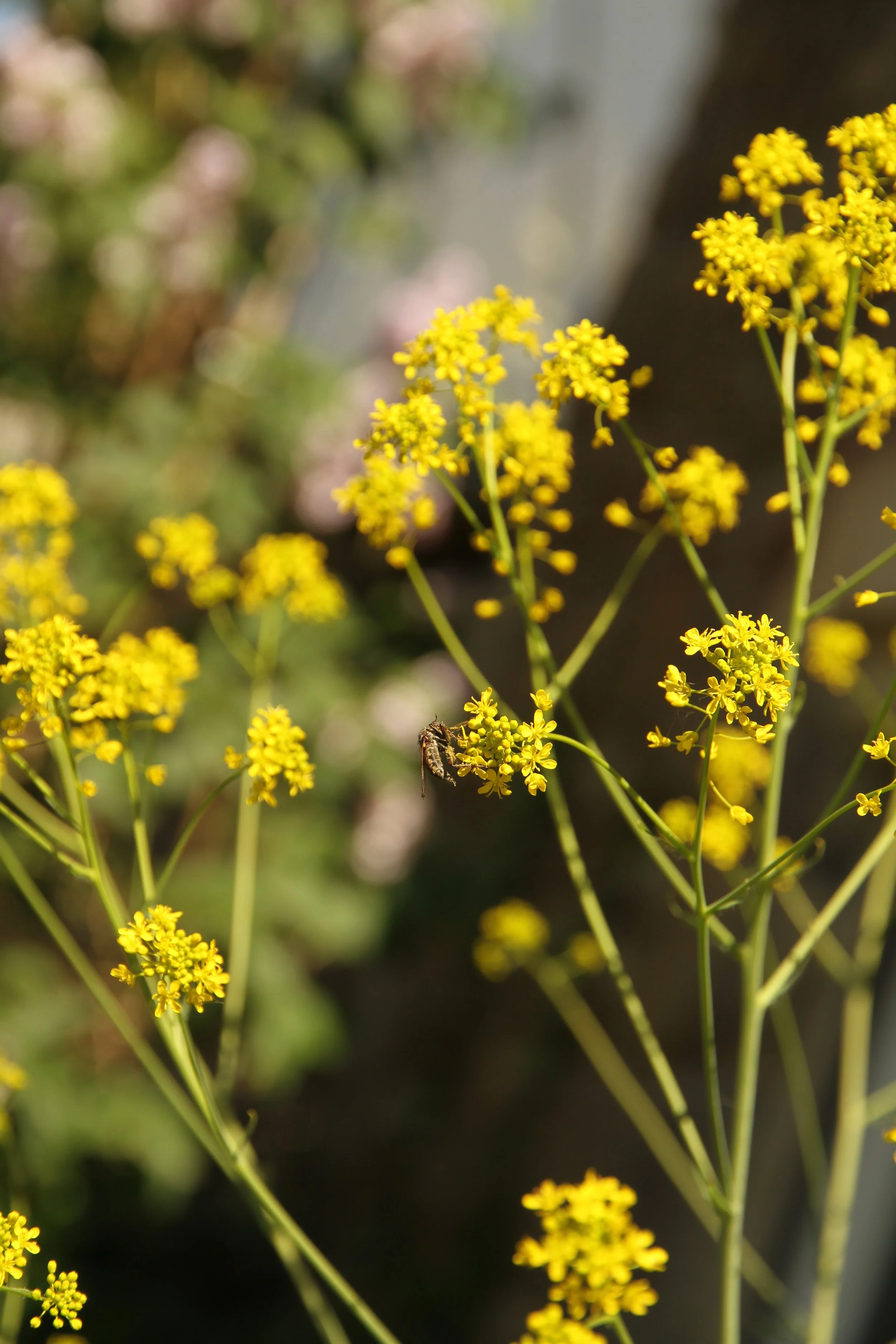
Emerald wasp on dill flowers / Guêpe-coucou sur fleurs d’aneth
A nursery for humans & creatures
Fleur de Brume is an organic plant nursery in Mellionnec, Central Brittany, specialising in aromatic plants, dye plants, and pollinator-friendly flowers. These plants have in common that they are beautiful and useful. The plant catalogue is created with the wish to support a bounty of aromas and colours, and to offer a guide for creating pollinator-friendly gardens in favour of biodiversity, particularly in a European context.
Sharing small ecologically valuable steps by growing, providing, and communicating about plants, is my way of participating with the insects, birds, frogs, salamanders, and other creatures. If you want to join in, please have a look below!
Une pépinière pour soutenir le vivant
Fleur de Brume est une pépinière specialisée dans les plantes aromatiques, médicinales, tinctoriales, et les fleurs mellifères, certifiée en agriculture biologique à Mellionnec, en Centre Bretagne. Les plantes ont toutes en commun d’être à la fois belles et utiles. La gamme de plantes a été développée dans le but de non seulement mettre en valeur une diversité d’arômes et de couleurs, mais surtout de contribuer à une biodiversité locale en favorisant la présence d’insectes pollinisateurs.
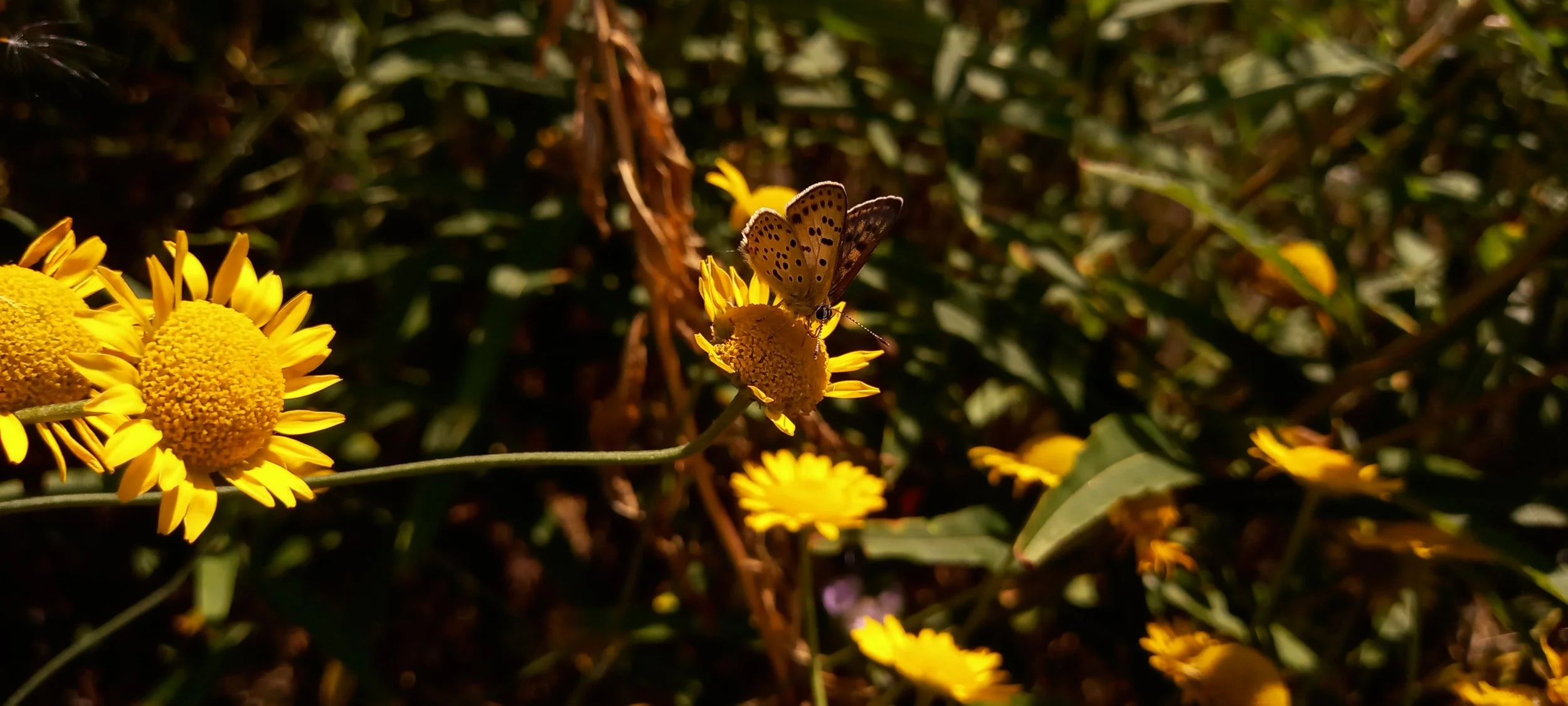
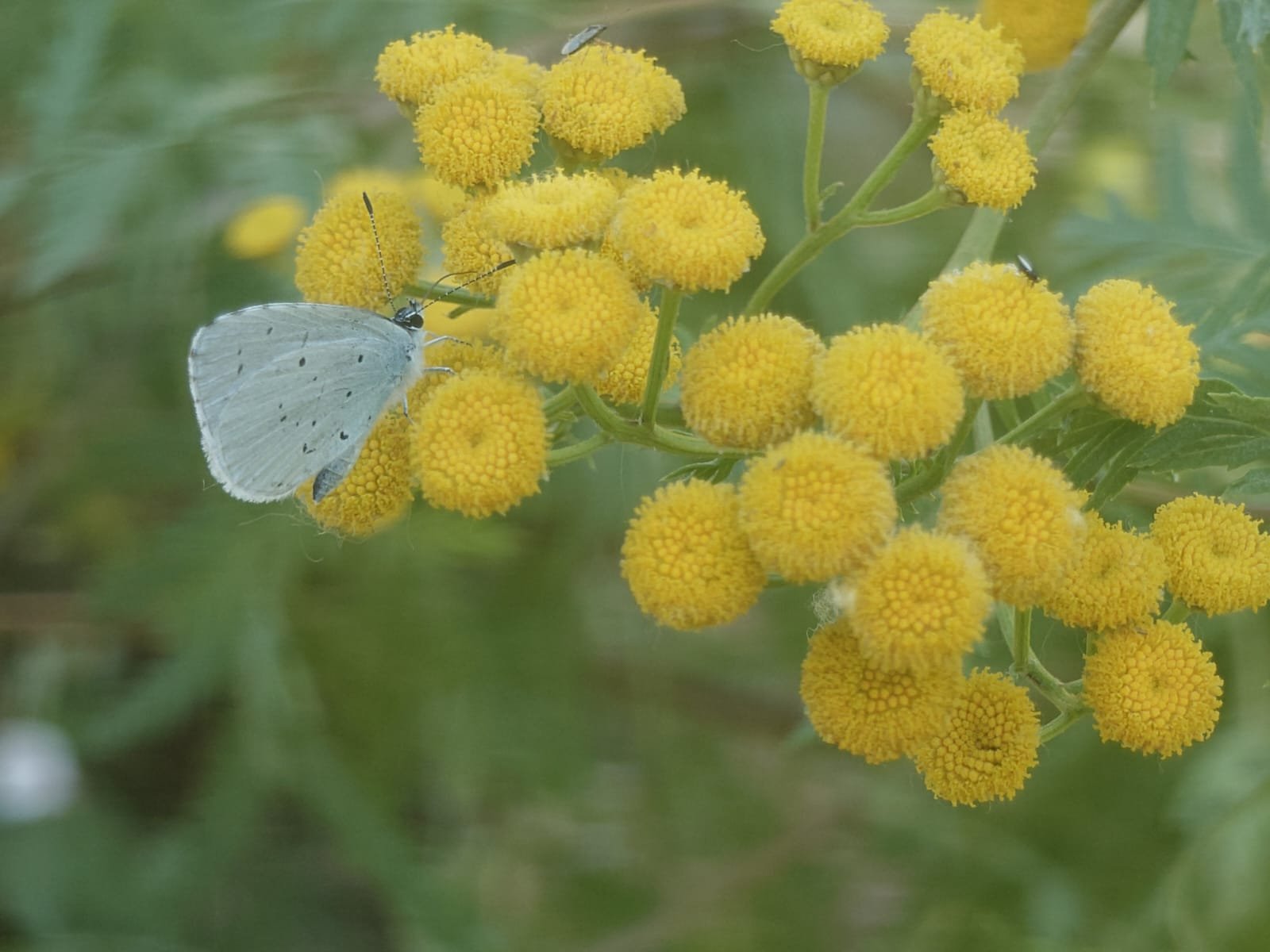
Butterfly on dyer’s chamomile / Papillon sur camomille des teinturiers
The plants / Les plantes
-
Angelica / Angélique officinale
Agastache
Basil / Basilic (vert, thai, sacré)
Chamomile / Camomille
Chrysanthemum Ju Hua / Chrystanthème Ju Hua
Coriander / Coriandre
Dill / Aneth
Fennel / Fenouil
Lemon verbena / Verveine citronnée
Marshmallow / Guimauve
Meadowsweet / Reine des prés
Mints / Menthes
Oregano / Origan
Spring onion / Ciboule
Sage / Sauge
Shiso
Tansy / Tanaisie
Thym
Yarrow / Achillée millefeuille
-
Dye plants are plants for extracting colour: for creating pigments or inks, fabric dyeing, and other methods.
Les plantes tinctoriales sont des plantes qui permettent d’extraire des couleurs pour l’artisanat et les beaux arts, comme pour la creation des pigments, d’encres et d’aquarelles, pour teindre des tissus, et bien d’autres méthodes.
Dyer’s chamomile / Camomille des teinturiers
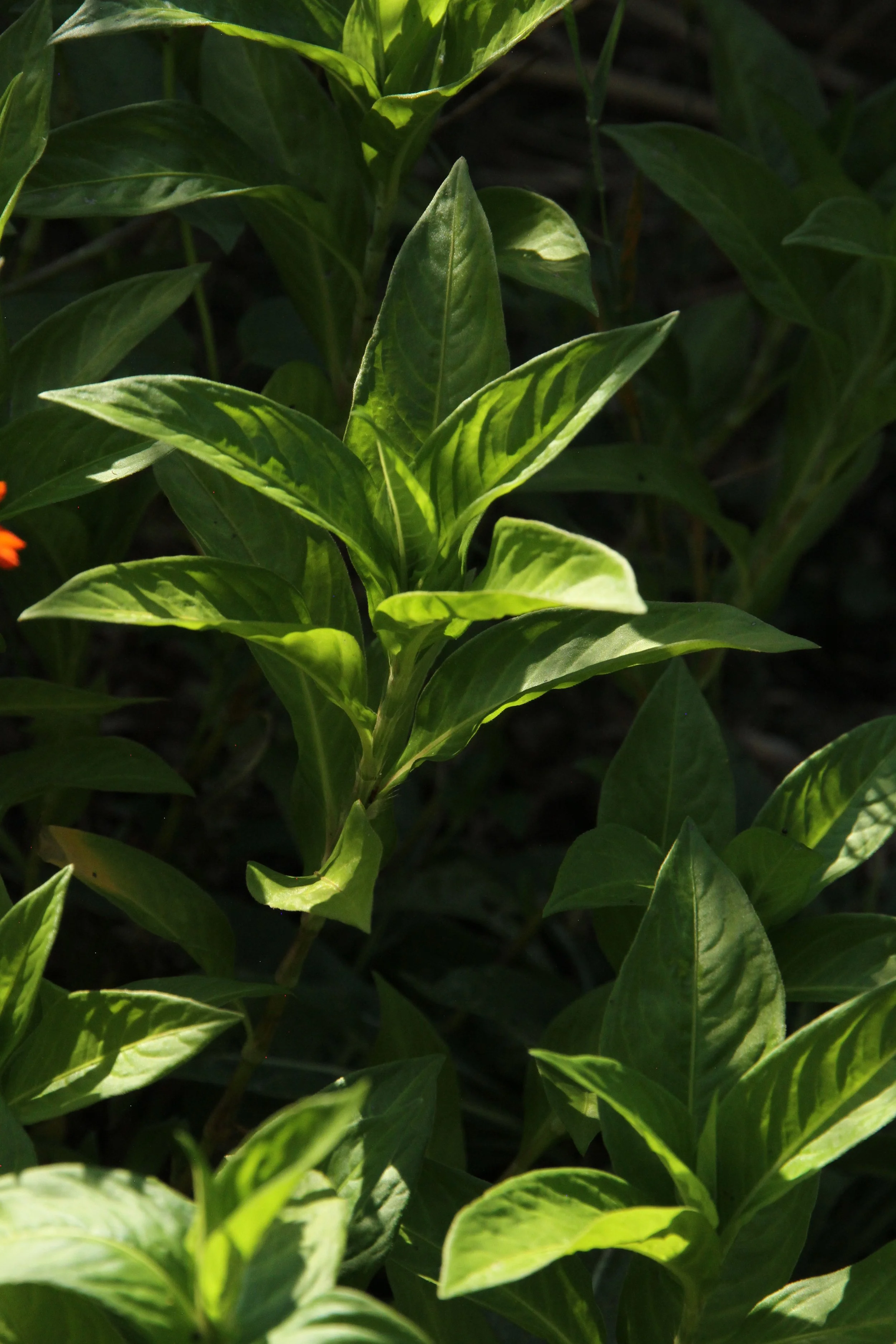
Japanese indigo / Persicaire à indigo
Woad / Pastel des teinturiers
Madder / Garance des teinturiers
Cosmos sulphureus
Coreopsis / Coréopsis des teinturiers
Tansy / Tanaisie
-
Annuals / Annuelles:
Borage / Bourrache
Calendula / Souci
Cornflower / Bleuet
Cosmos sulphureus
Nasturtium / Capucine
Poppy / Coquelicot
Perennials / Vivaces:Angelica / Angélique
Agastache
Dill ‘Hera’ / Aneth ‘Hera’
Field scabious / Scabieuse des champs
Bronze fennel / Fenouil bronze
Brown knapweed / Centaurée jacée
Common mallow / Grande mauve
Field scabious / Scabieuse des champs
Lamb’s ear / Oreille de lapin
Meadowsweet / Reine des prés
Mints / Menthes
Oregano / Origan
Ox-eye daisy / Marguerite
Purple loosestrife / Salicaire
Ragged robin / Lychnis fleur de coucou
Rosebay willowherb / Epilobe en épi
Spiked speedwell /Véronique en épi
Tansy / Tanaisie
Viper’s bugloss (biennial) / Vipérine (bisannuelle)
Yarrow / Achillée millefeuille
The plants are certified organic by Ecocert, cultivated in an unheated greenhouse without pesticides, and minimal peat to help reduce the environmental impact of peat extraction.
Les plantes sont certifiées en Agriculture Biologique par Ecocert, cultivées sous serre non chauffée sans pesticides, et avec peu de tourbe, ce qui contribue à réduire l'impact environnemental de l'extraction de la tourbe.
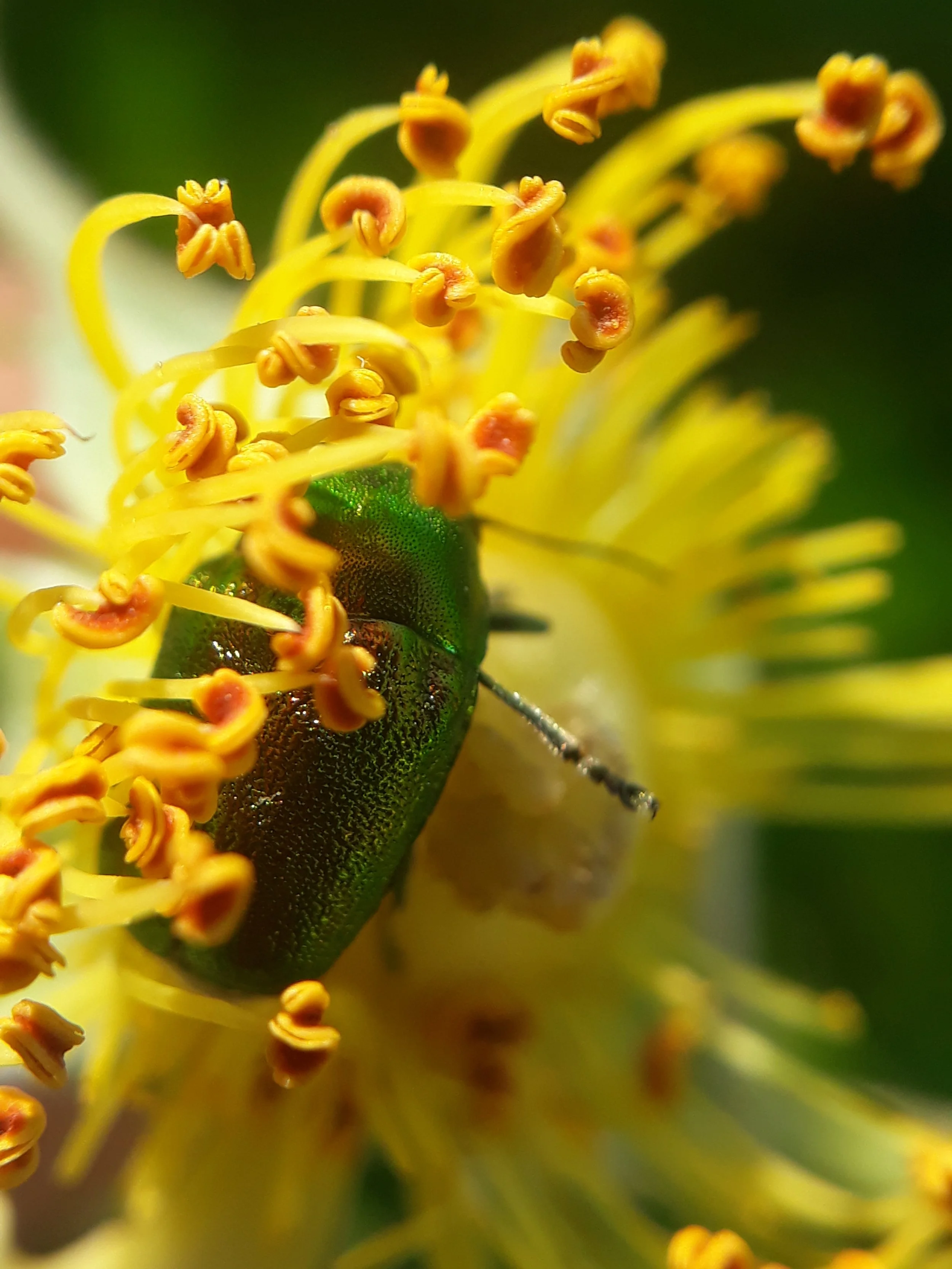
Want to help insects? Grow flowers from them!
With nectar and pollen, pollinator-friendly flowers nourish the local insects and critters whose numbers have dramatically declined, and who are in need of helping hands. Their presence impacts plant reproduction and larger animals like birds, frogs and bats, and of course, us humans. It is also recommended to:
* Provide a container of water for them to drink
* Provide shelter (leave a pile of dead wood)
* Not spray your plants
* Reduce lawn mowing
* Choose a variety of flowers for different seasons, from spring to autumn
* Avoid sterile flower varieties, without nectar or pollen
Found in the wild throughout many places in Europe, the perennials listed below are often robust and easy to grow, yet forgotten and deserving of a little more love. Whether it is a small garden, a balcony, or a big field, every flower counts.
*
Souhaitez-vous aider les insectes? Cultivez des fleurs!
Les fleurs riches en pollen et nectar nourrissent les pollinisateurs, notamment les insectes. Les populations d’insectes ont considérablement diminué. Leur présence a une incidence sur la reproduction des plantes, et sur des animaux comme les oiseaux, les grenouilles et les chauves-souris, sans oublier nous, les humains. En cultivant des fleurs, nous pourrons donner les insectes un coup de main! Il est également recommandé de:
* Leur fournir un récipient d’eau
* Leur offrir un abri (en laissant un tas de bois mort)
* Ne pas utiliser des pesticides
* Réduire la fréquence de tonte de la pelouse
* Choisir des variétés de fleurs pour les différentes saisons, du printemps à l’automne.
* Eviter des variétés de fleurs stériles, sans pollen ni nectar.
Il existe une multitude des fleurs oubliées qui méritent d'être mieux connues pour leur intérêt écologique. Chaque fleur compte, même dans les petits espaces. Venez découvrir nos fleurs vivaces préférées, sauvages et robustes.
Forgotten flowers for pollinator-friendly spaces / Fleurs oubliées et pollinisatrices:
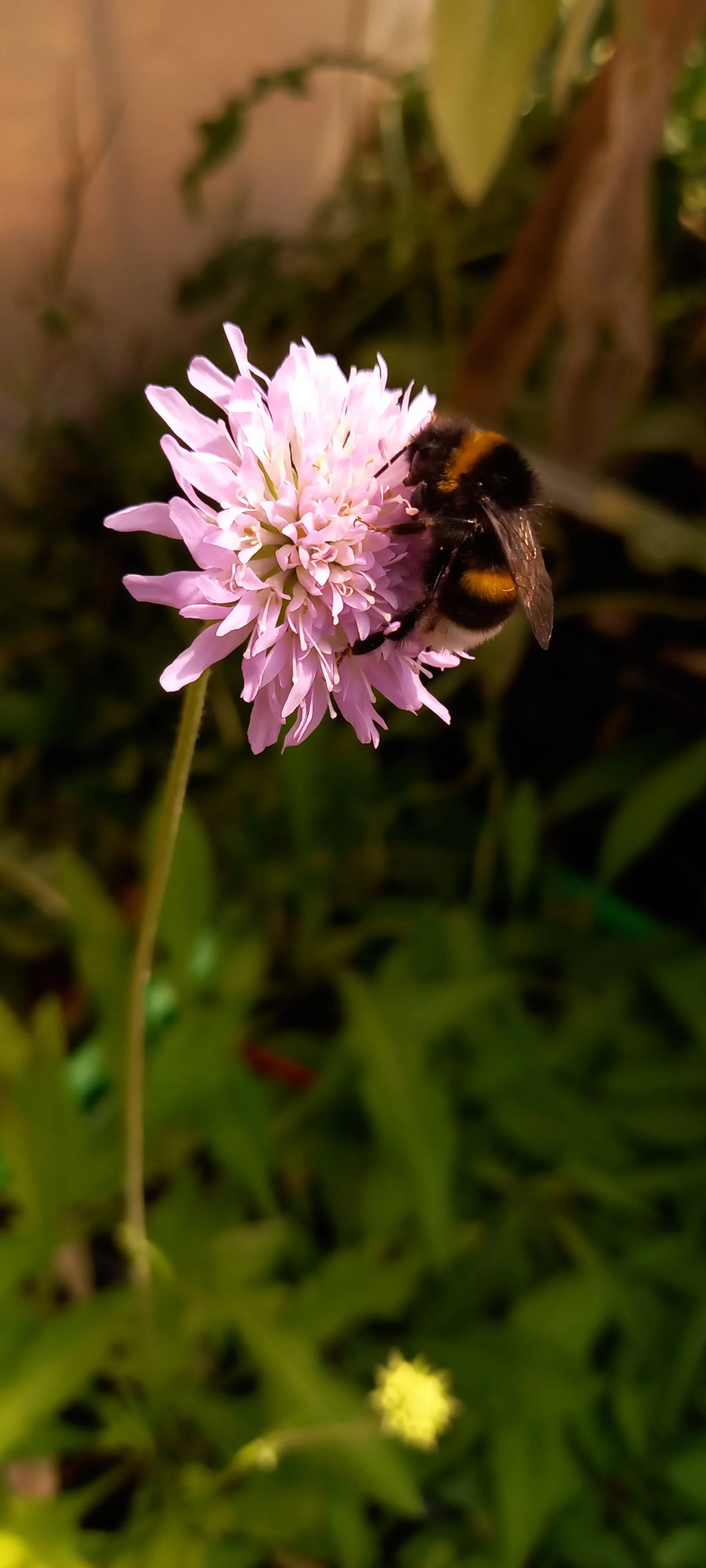
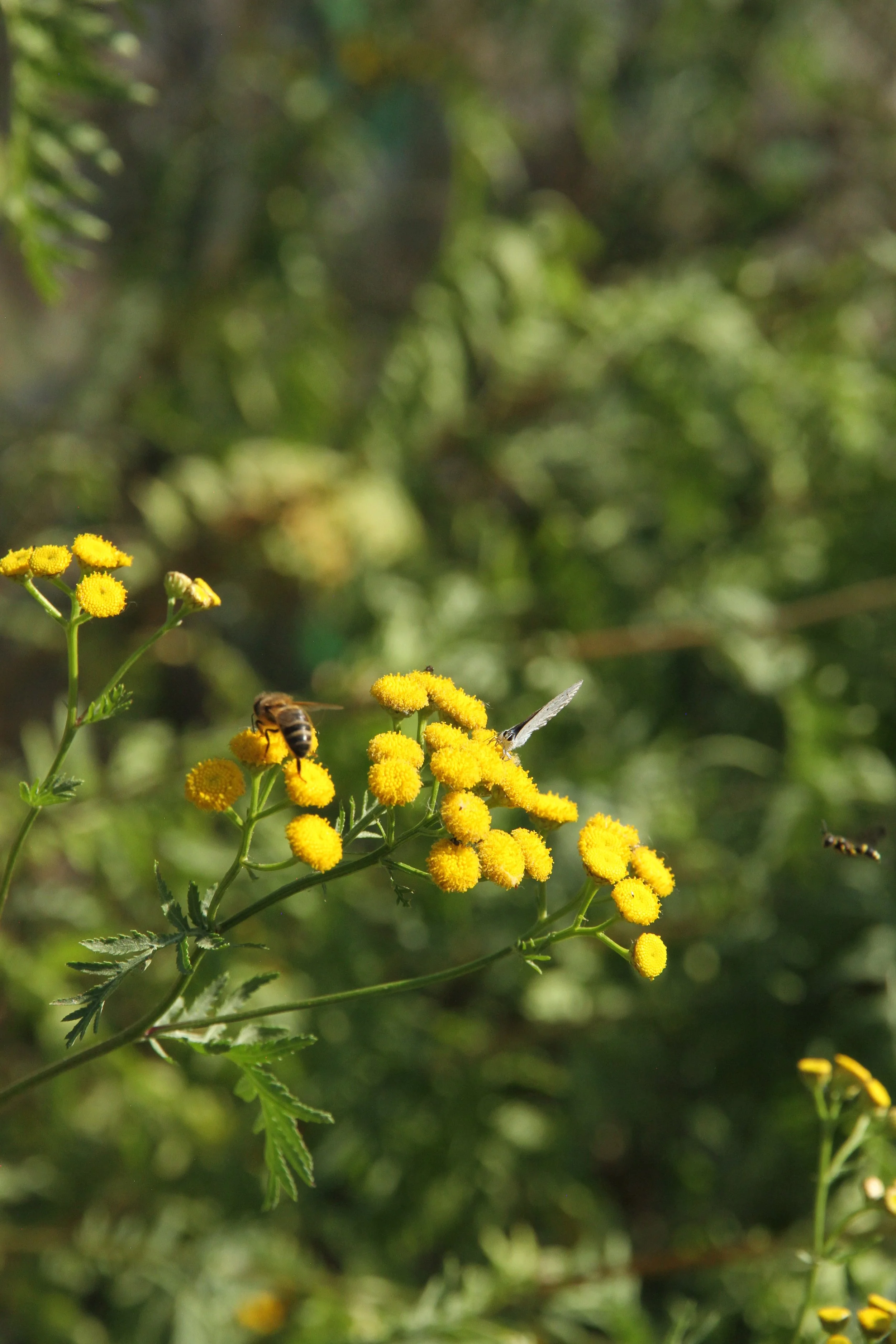
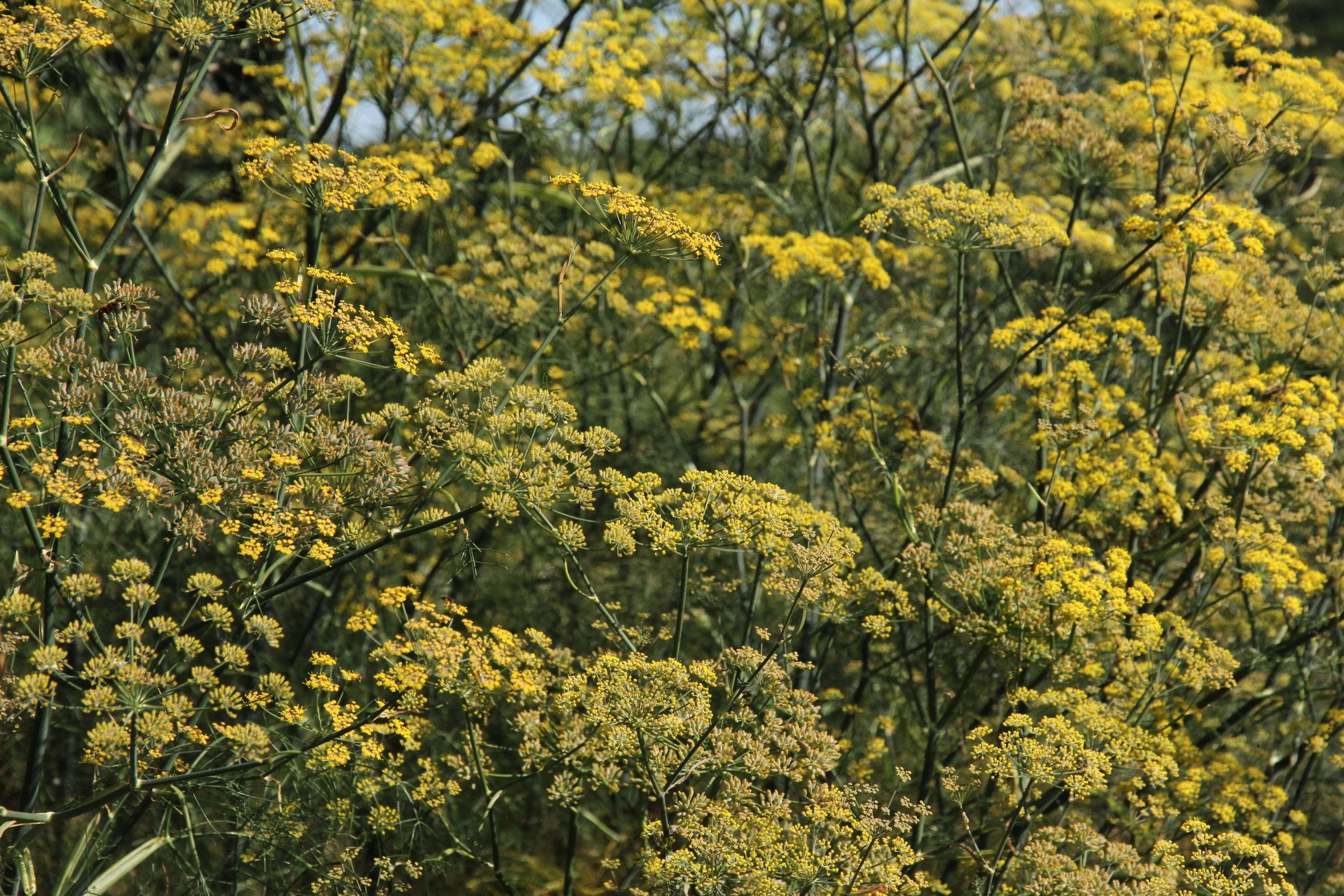
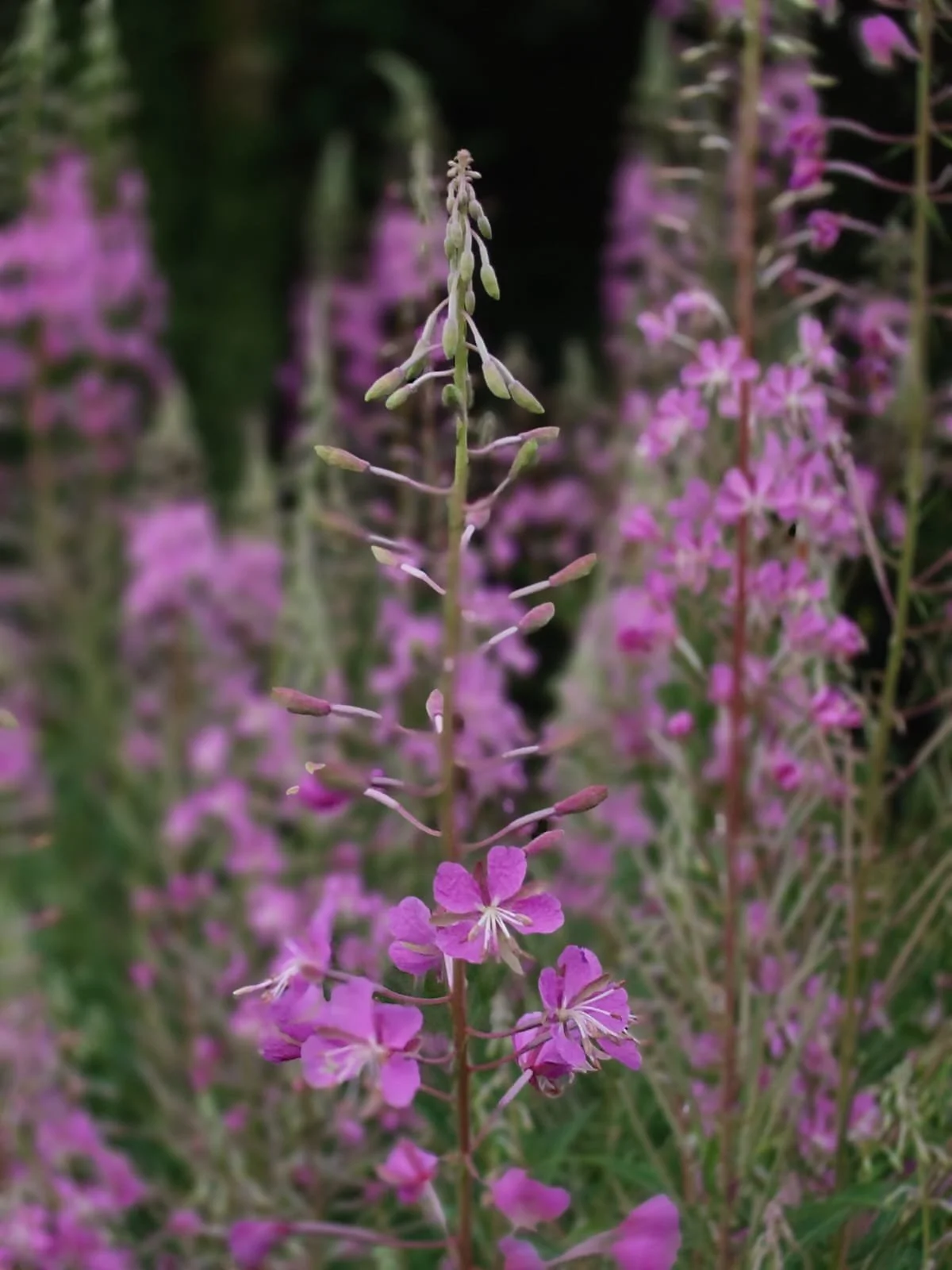
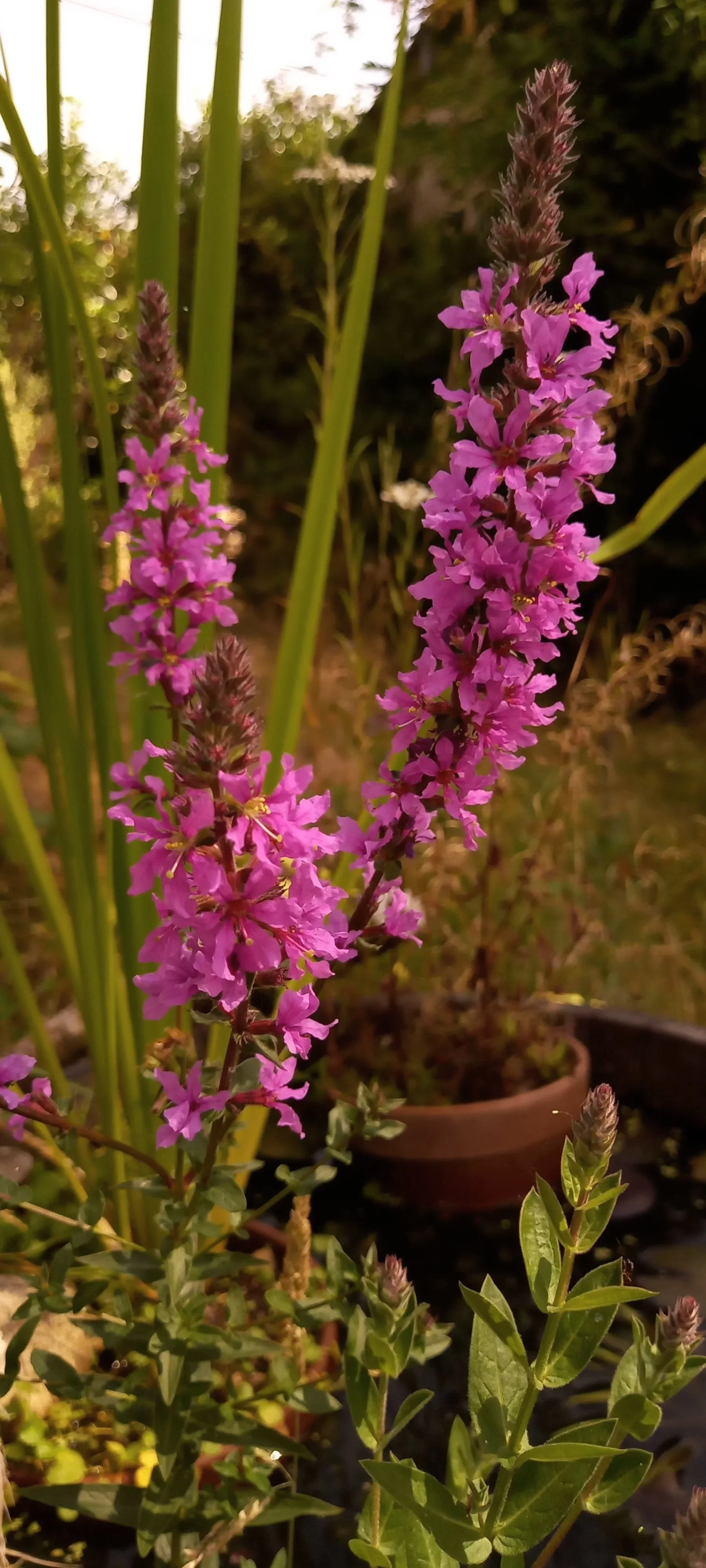
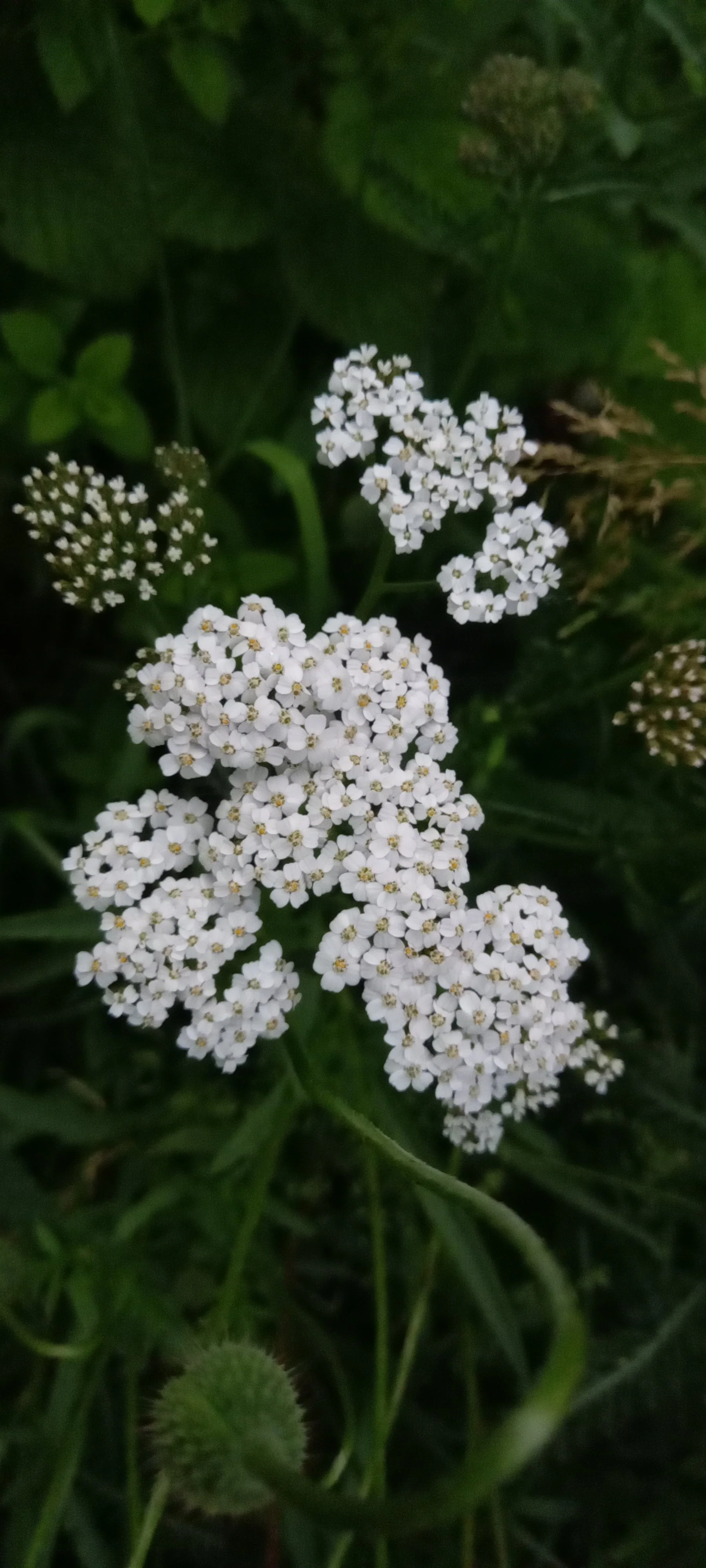
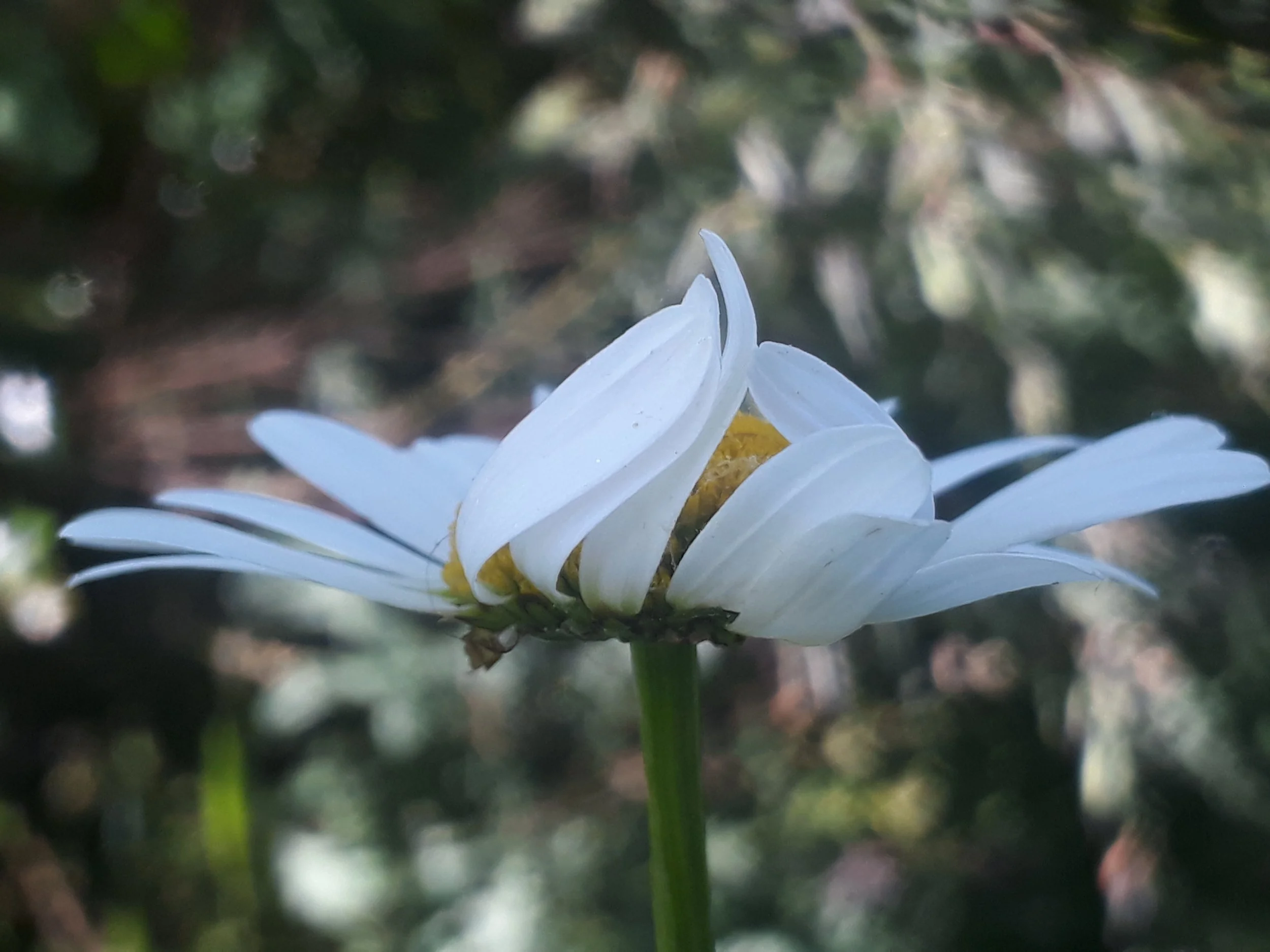
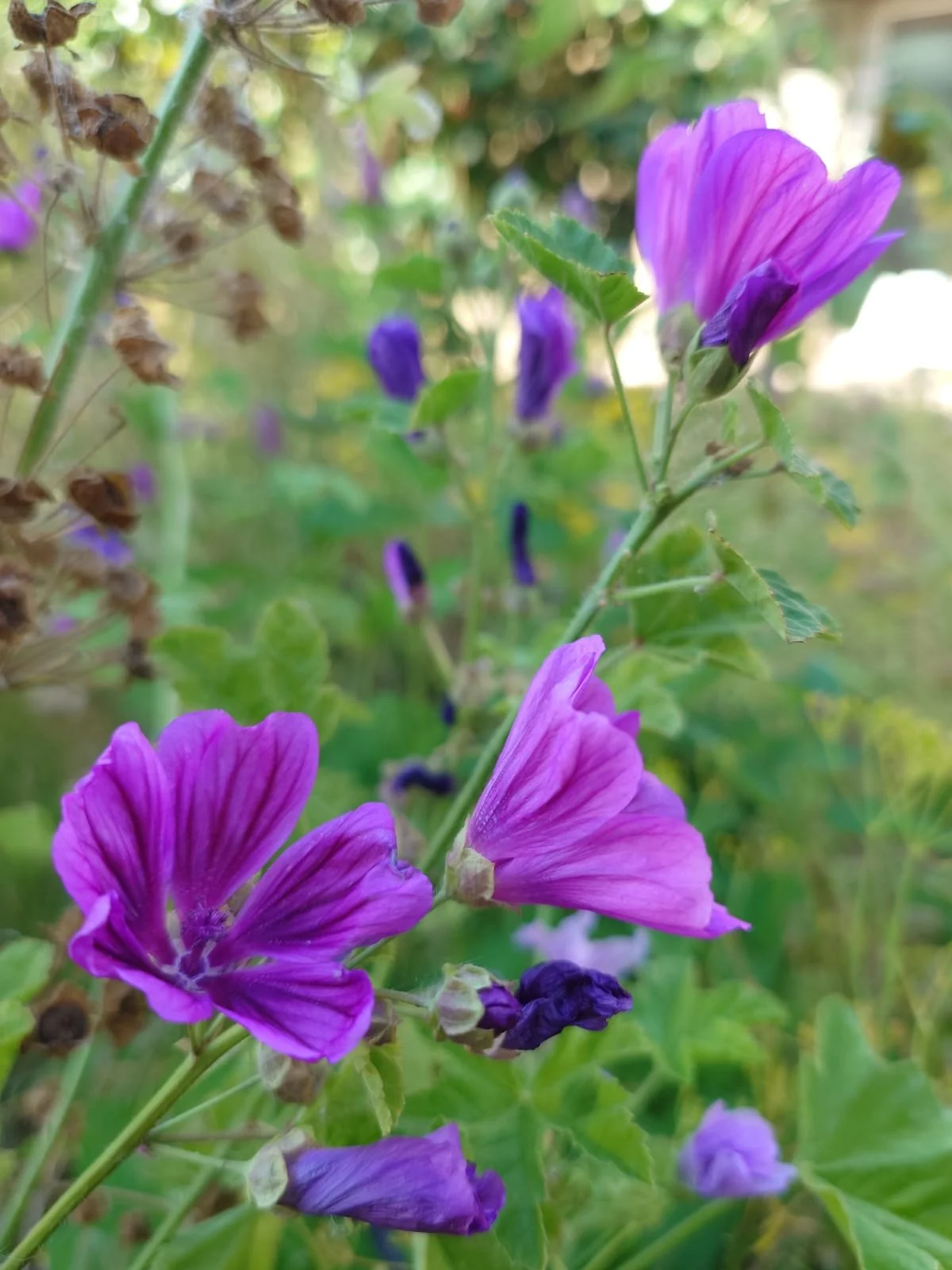
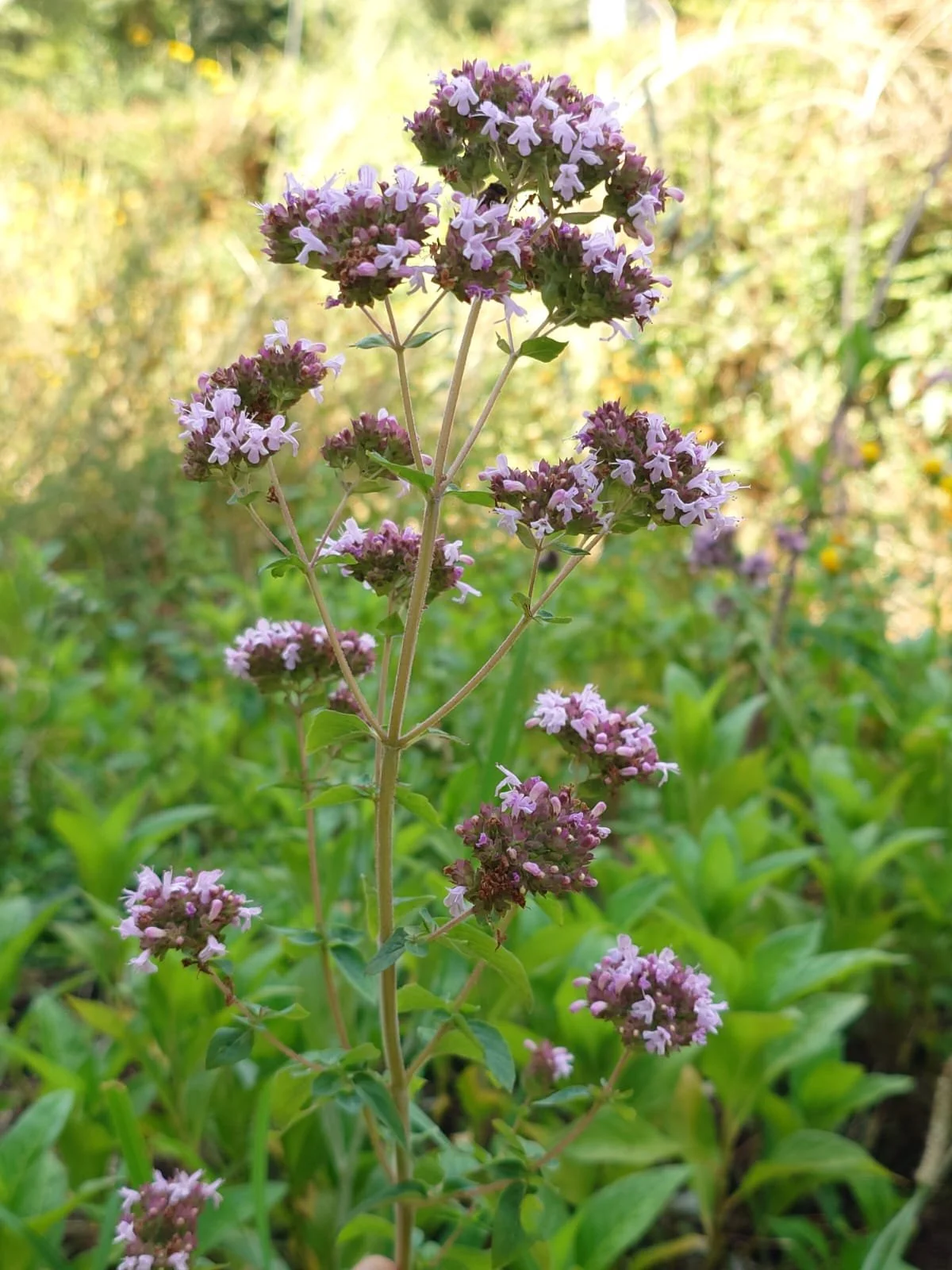
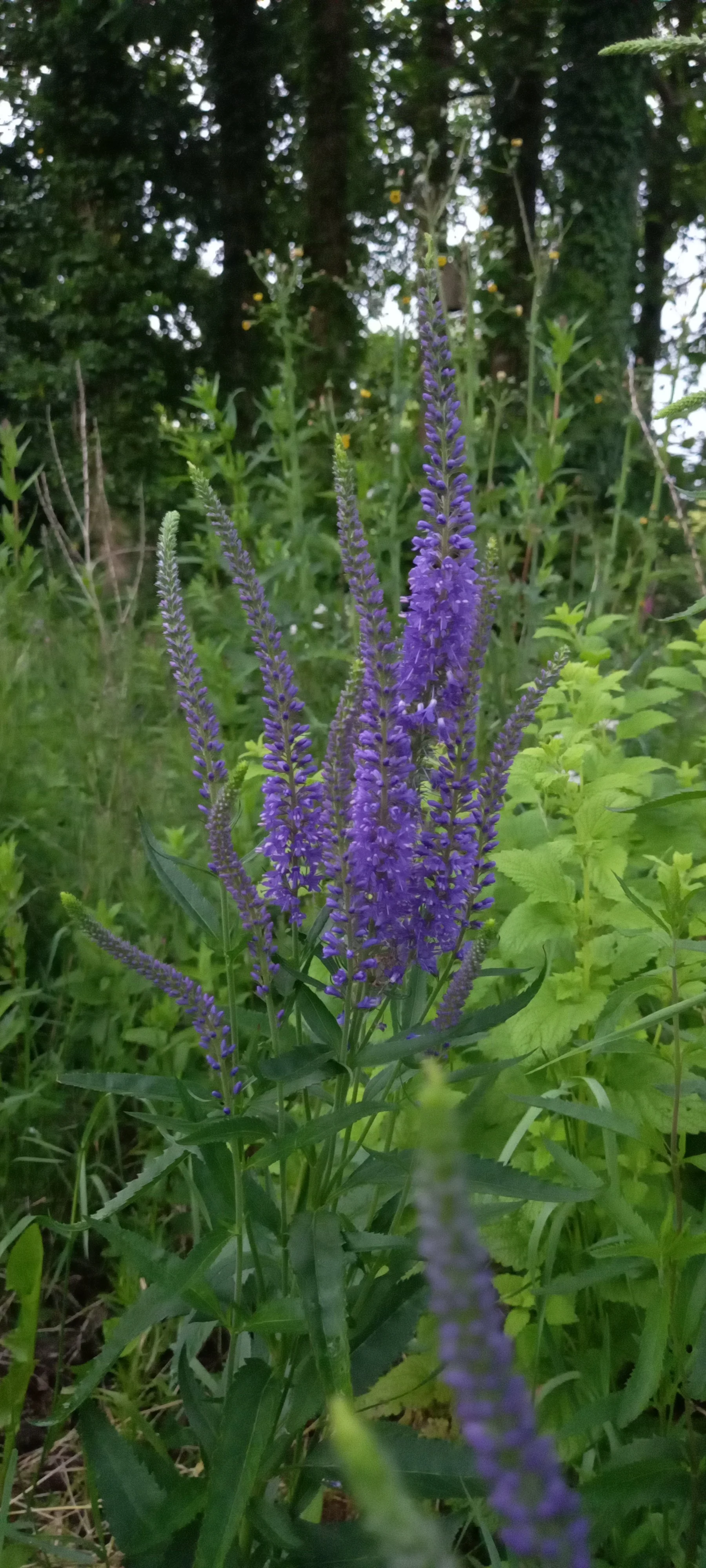
And the list goes on! Once planted, the little creatures will be grateful and create quite a buzz. Sssh, can you hear them? They are already on their way!
Une fois plantées, les petites créatures vous en seront reconnaissantes. Chut, vous les entendez? Elles sont déjà en route!
*
Come find your treasures
Plant nursery Fleur de Brume is situated in Mellionnec, Côtes-d’Armor, and is open to the public on Saturdays from 10-12 from April until the end of June.
In spring and early summer, you can find me at the Friday market of Gouarec, and at multiple Fêtes des Plantes (to be announced for 2027).
Visits can be scheduled by contacting me: fleurdebrume@mailo.com
*
Venez trouver vos trésors
La pépinière Fleur de Brume se trouve à Mellionnec dans les Côtes-d’Armor.
Vente à la pépinière: Tous les samedis d'avril à fin juin, de 10 h à 12h ou sur rendez-vous.
Retrouvez-moi également sur le marché du vendredi à Gouarec, et aux Fêtes des Plantes (les prochaines dates seront annoncées en 2027).
Pour prendre rendez-vous, contactez-moi: fleurdebrume@mailo.com
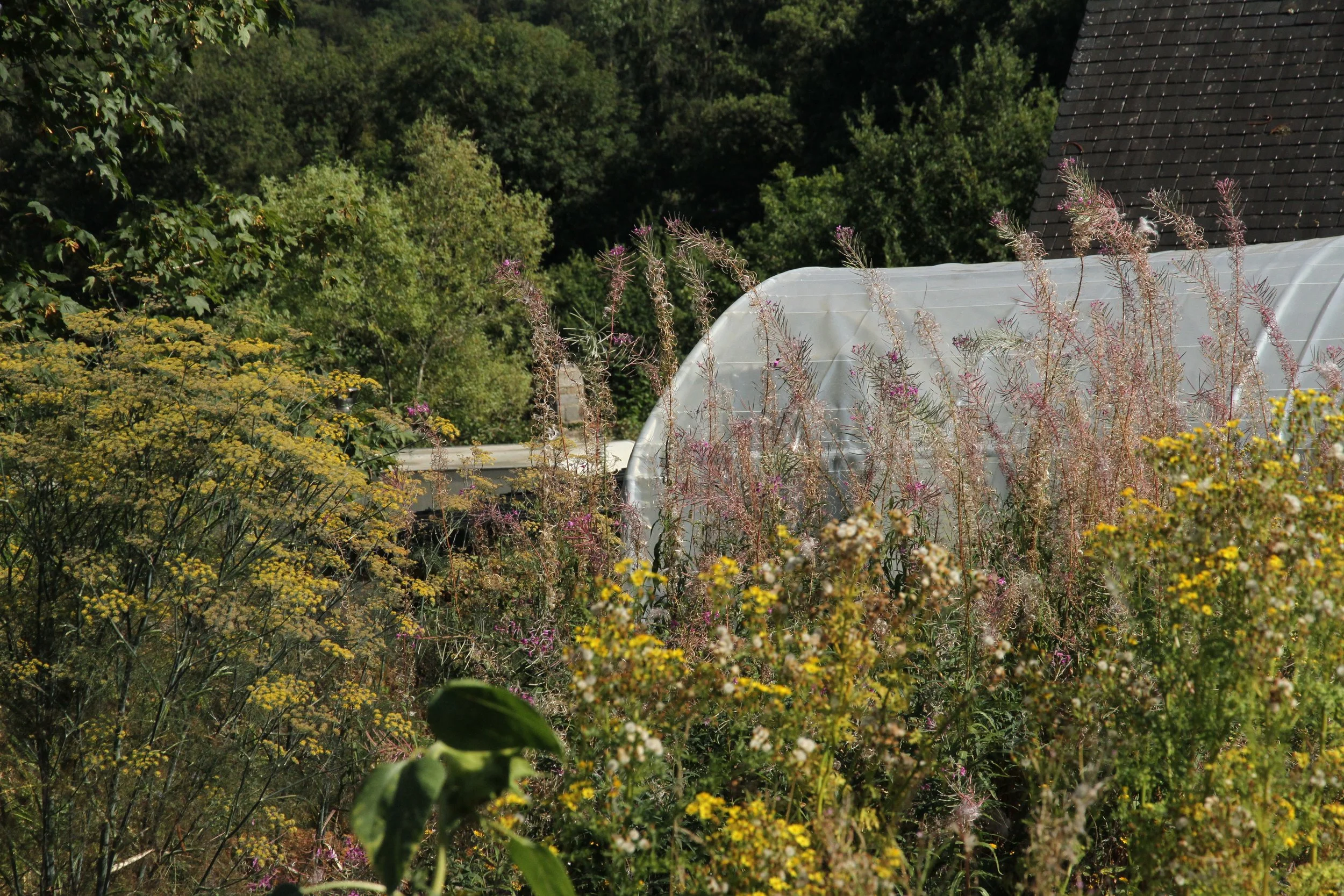
Impressions from the garden of forgotten flowers
Les pépites du jardin aux fleurs oubliées
The garden of forgotten flowers is a micro re-wilding project that lives alongside the nursery. It is alive with the busy sounds of insects, birds, frogs and other kin. When I became the guardian of this land, it was a small yet deteriorated garbage-filled place. It quickly became my mission to clean it up. The process itself is slow and ongoing, asking me for every bit of patience I have. Trash has been dug out, the lawn removed, many layers of organic matter were added, and flowers were sown, planted, and left to grow wild. A pond was created from an old wooden barrel, inviting aquatic insects from the moment it filled up with water. Although a small gesture in the grand scheme of things, it is a hopeful way of participating with the living beings in my area, offering food and shelter for many.
Observing the changing qualities of a place is discovering treasures, over and over again.
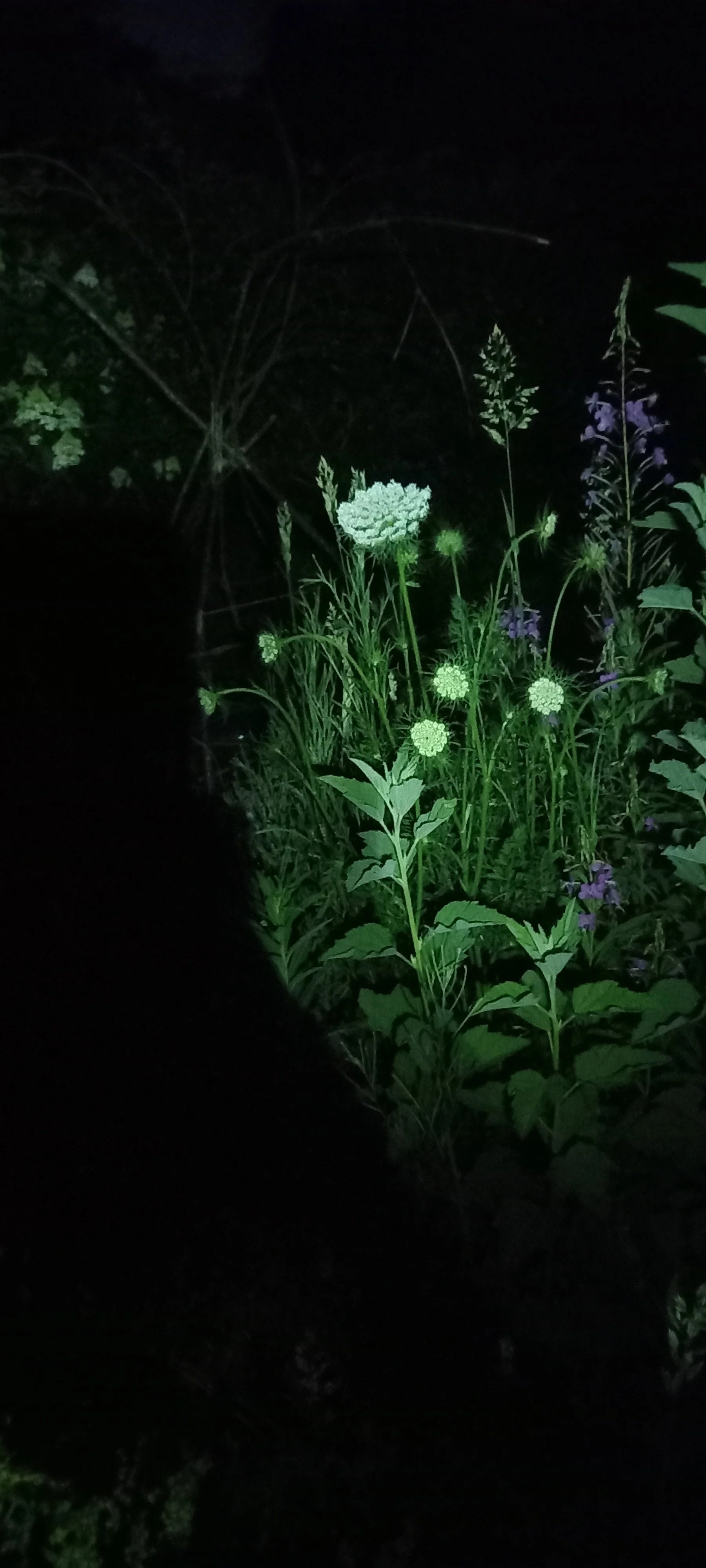
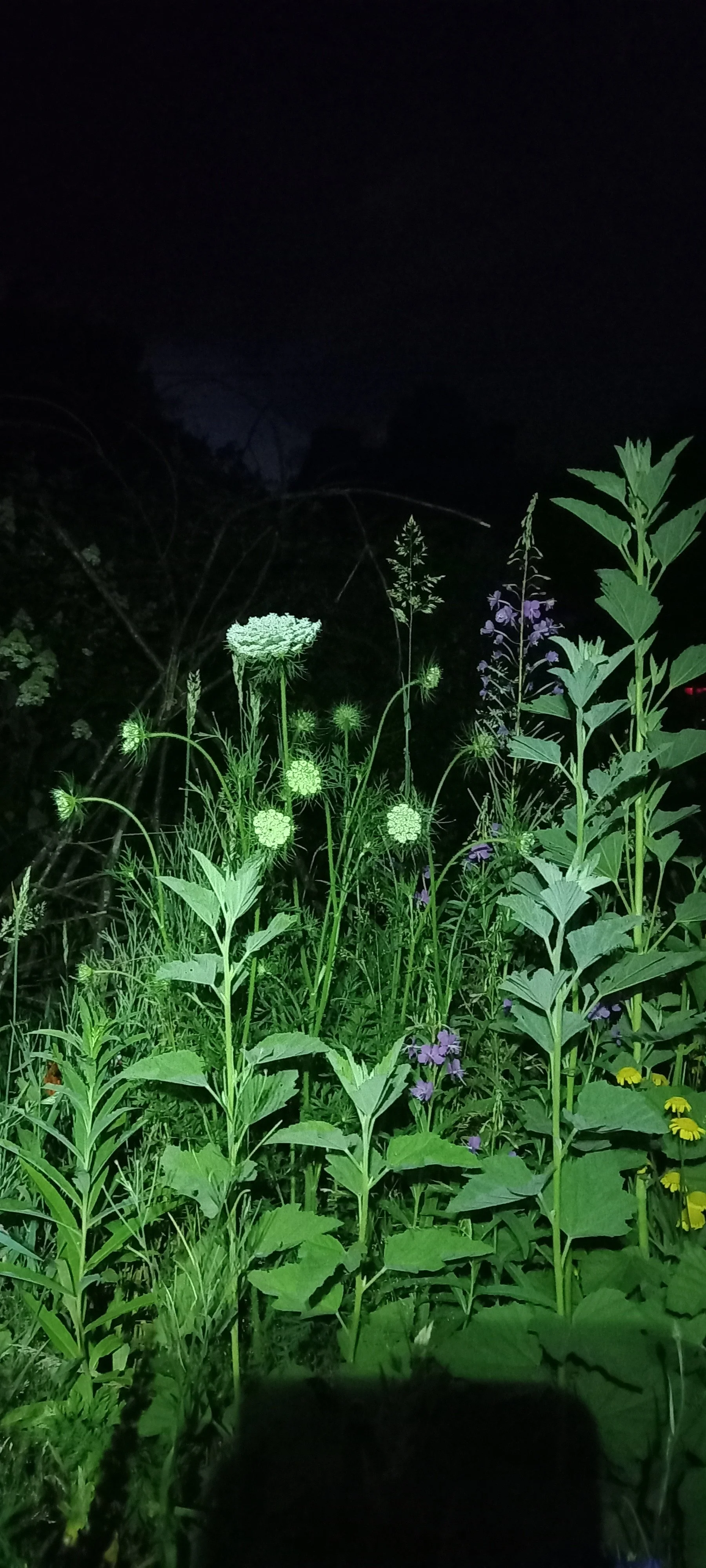
Mysteries of the night garden / Les mystères du jardin nocturne
Heatwave season / La saison des canicules
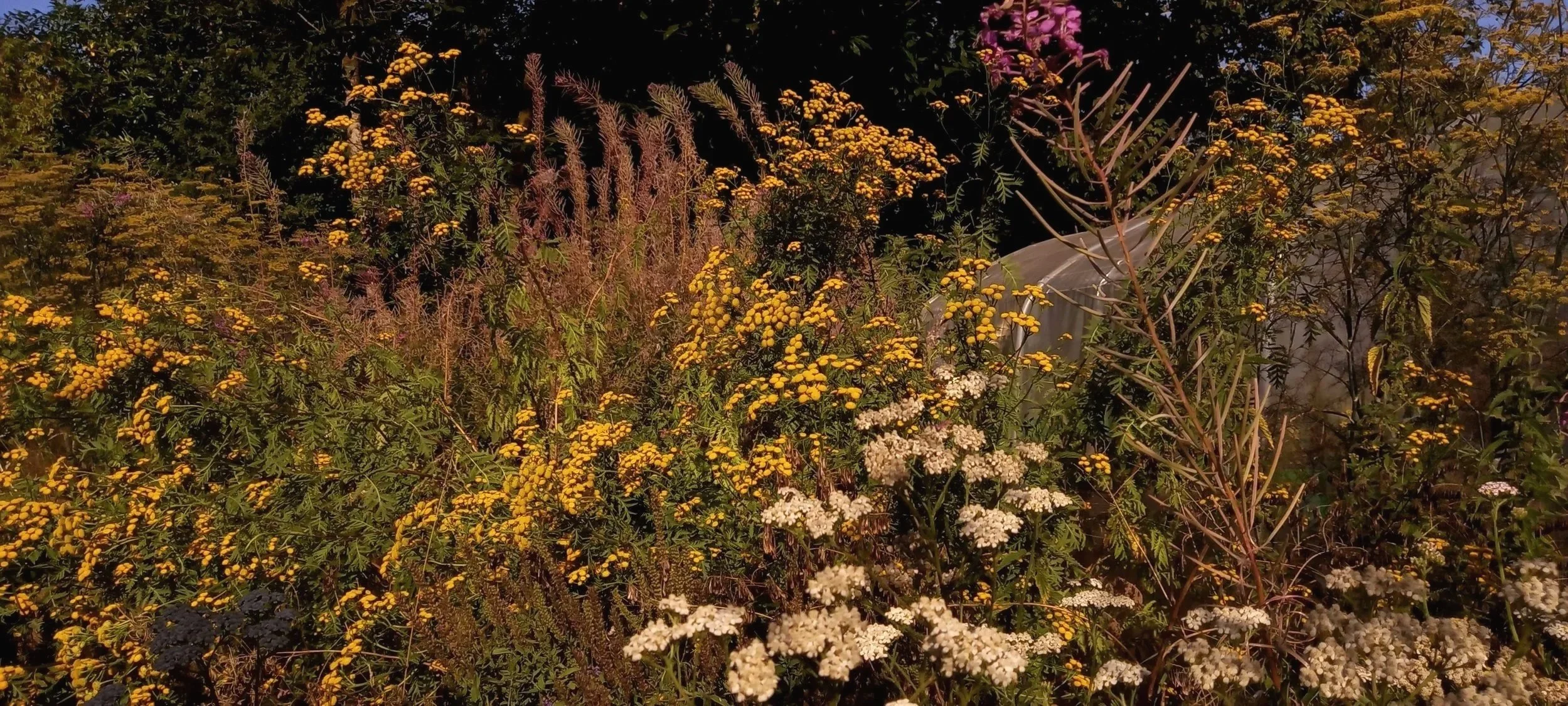
These beautiful and lush plants are drought tolerant: yarrow, tansy, rosebay willowherb, fennel, dyer’s chamomile /
Des belles plantes qui résistent à la sécheresse: achillée millefeuille, tanaisie, épilobe en épi, fenouil, camomille des teinturiers
Dye plants / Plantes tinctoriales
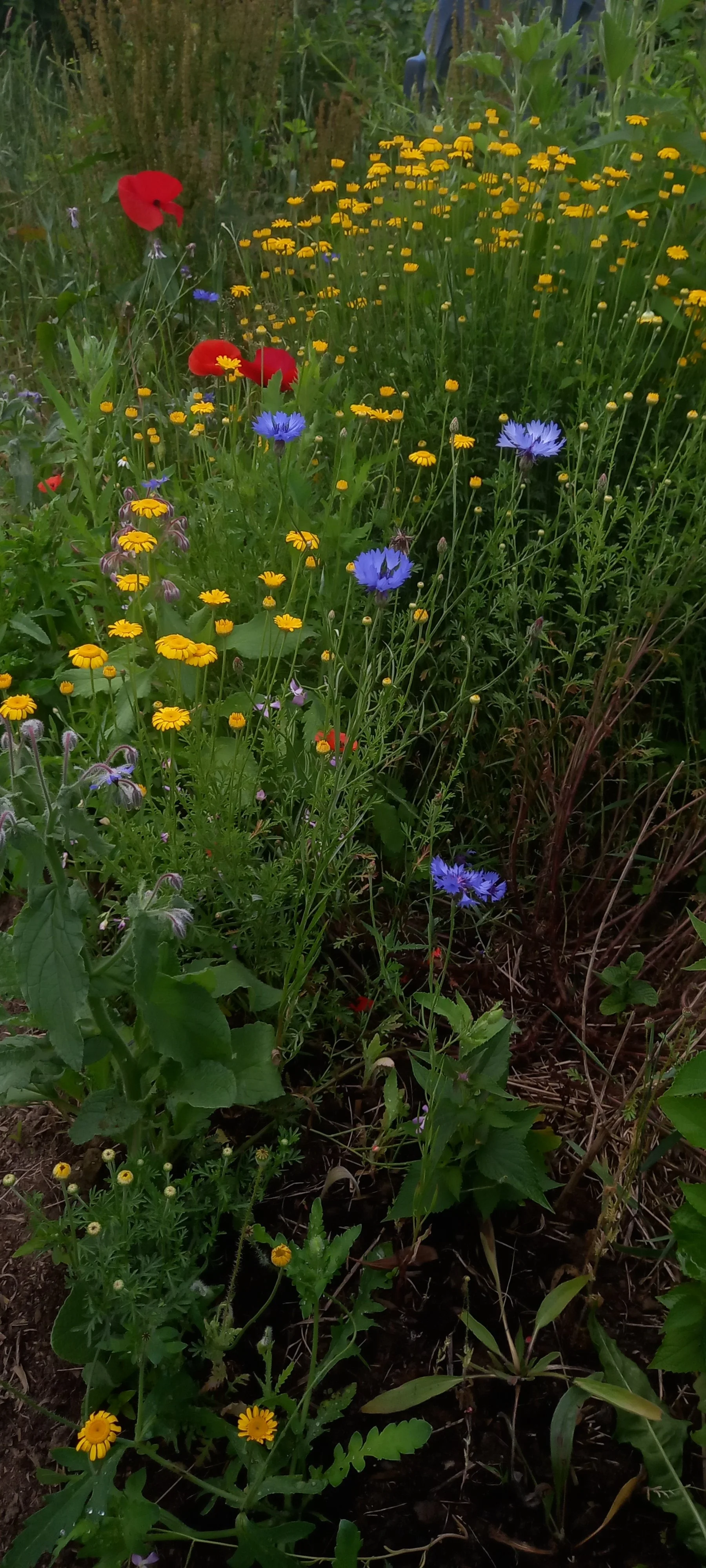
Flowers for the pond’s edge / Fleurs pour le bord de la mare
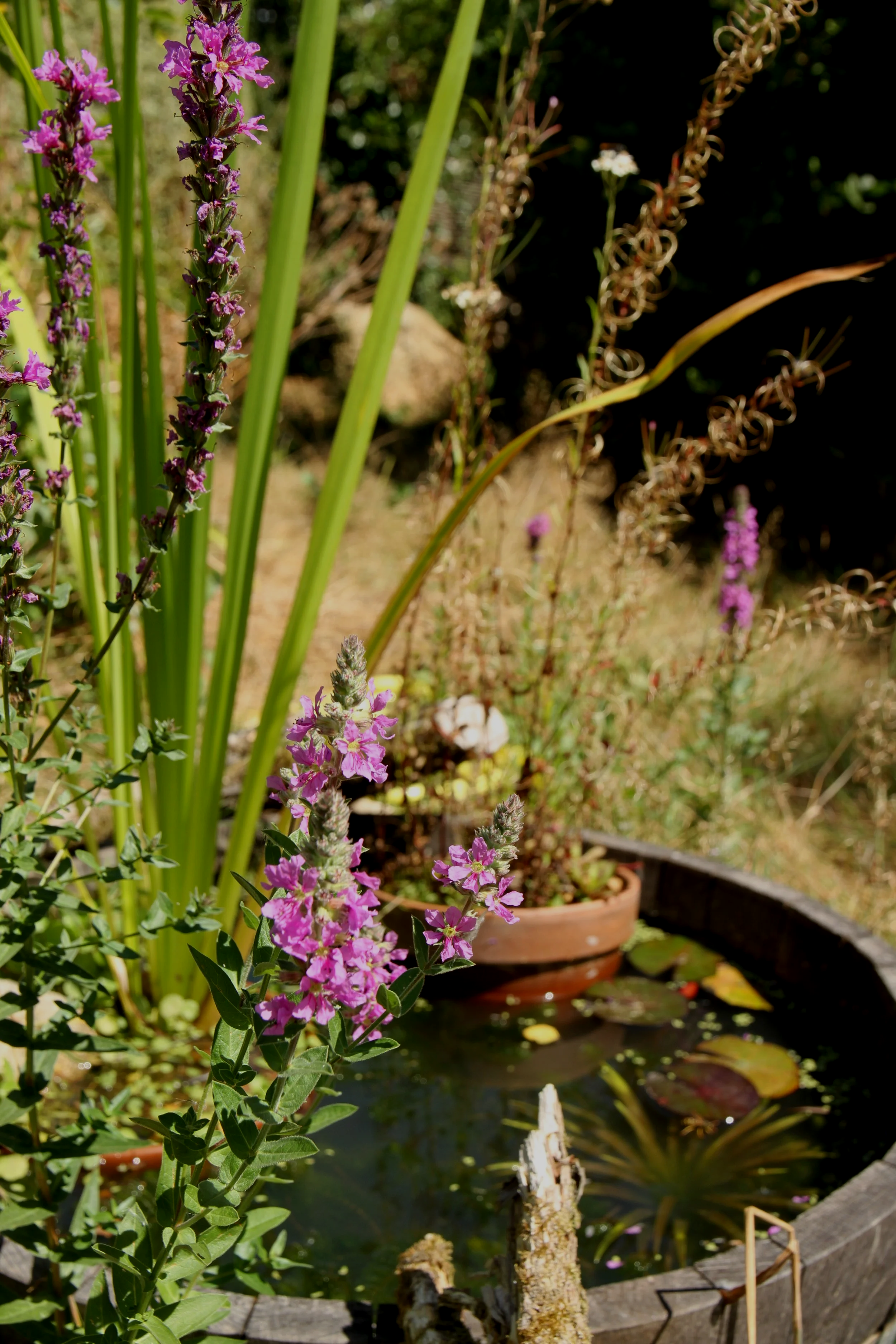
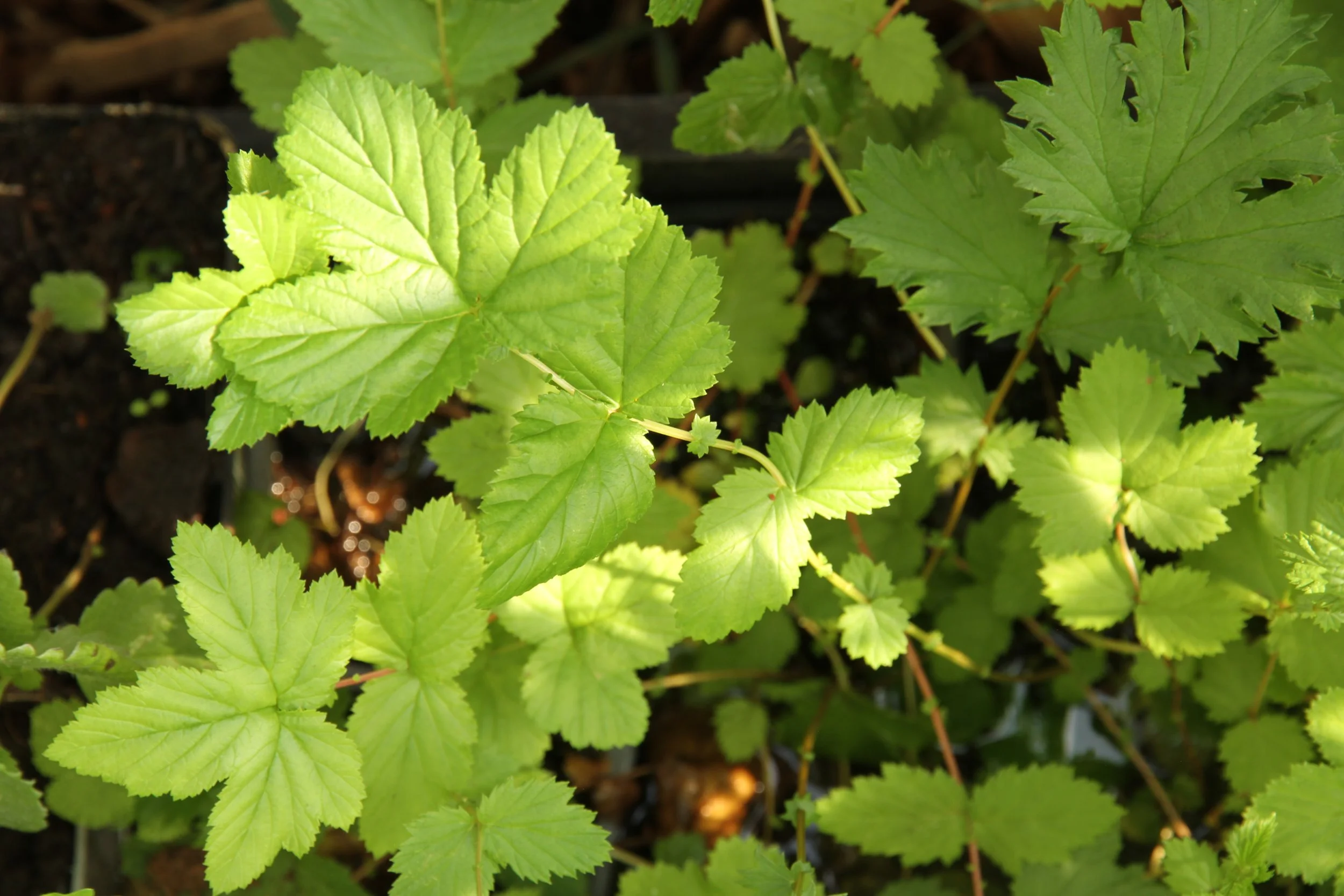
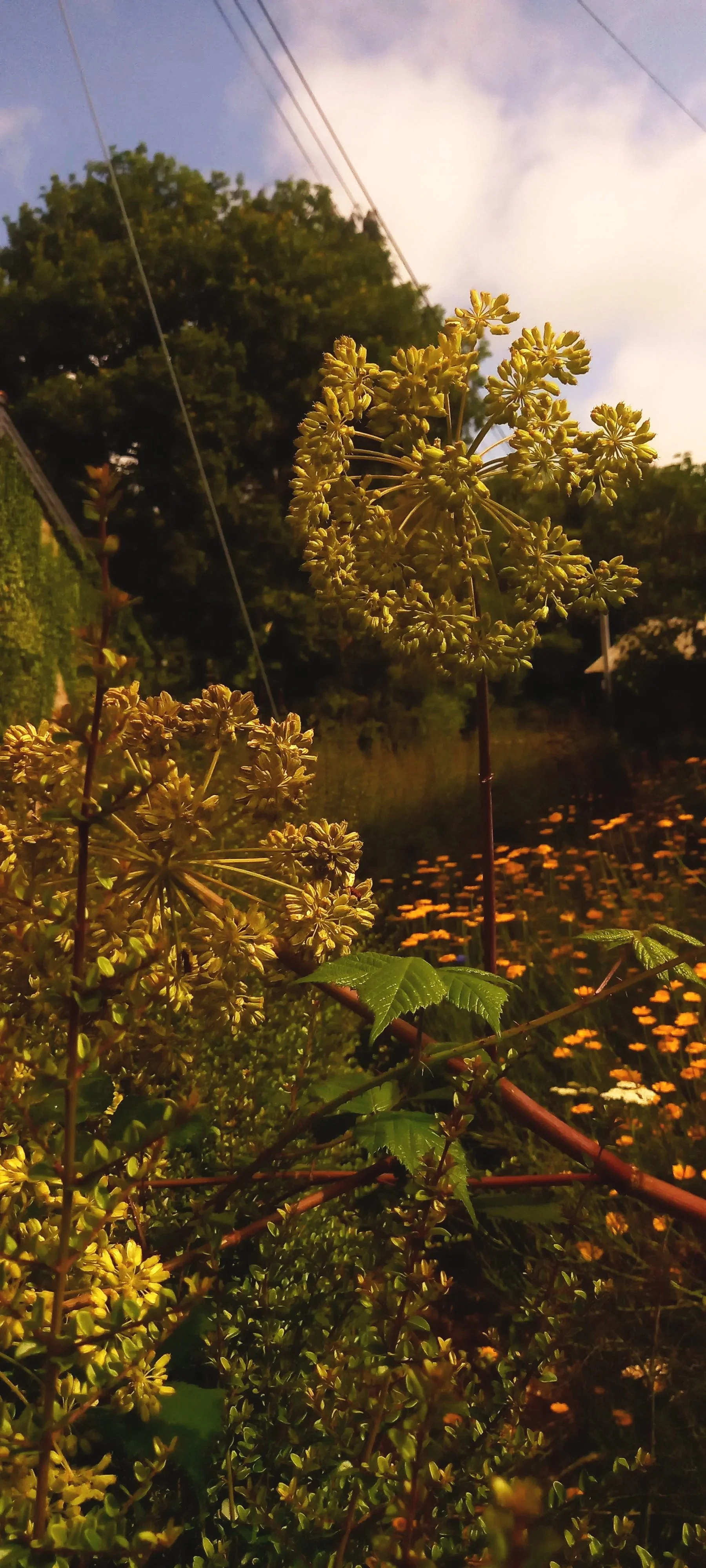
The pond is an oasis / La mare est un micro-foyer de biodiversité
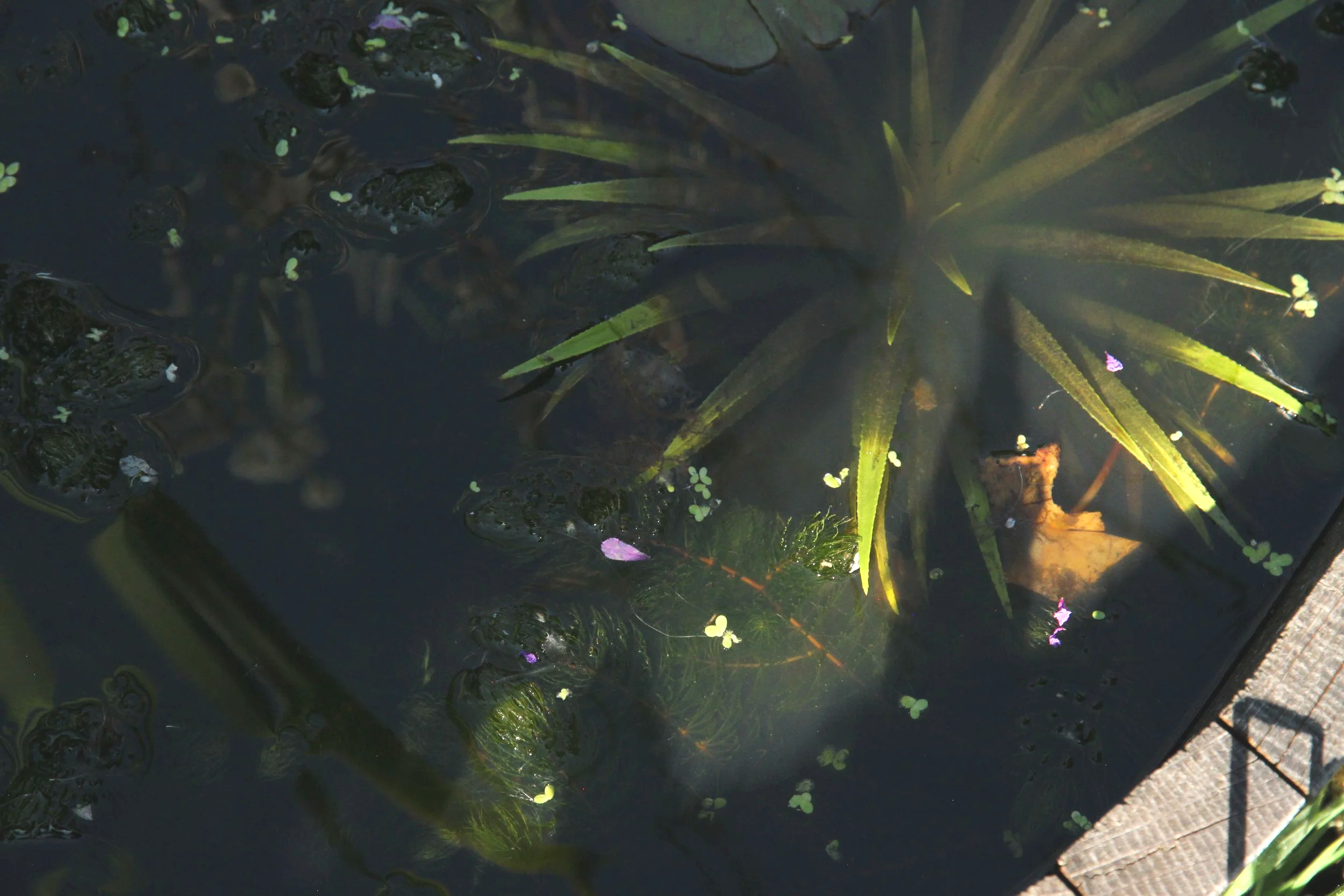
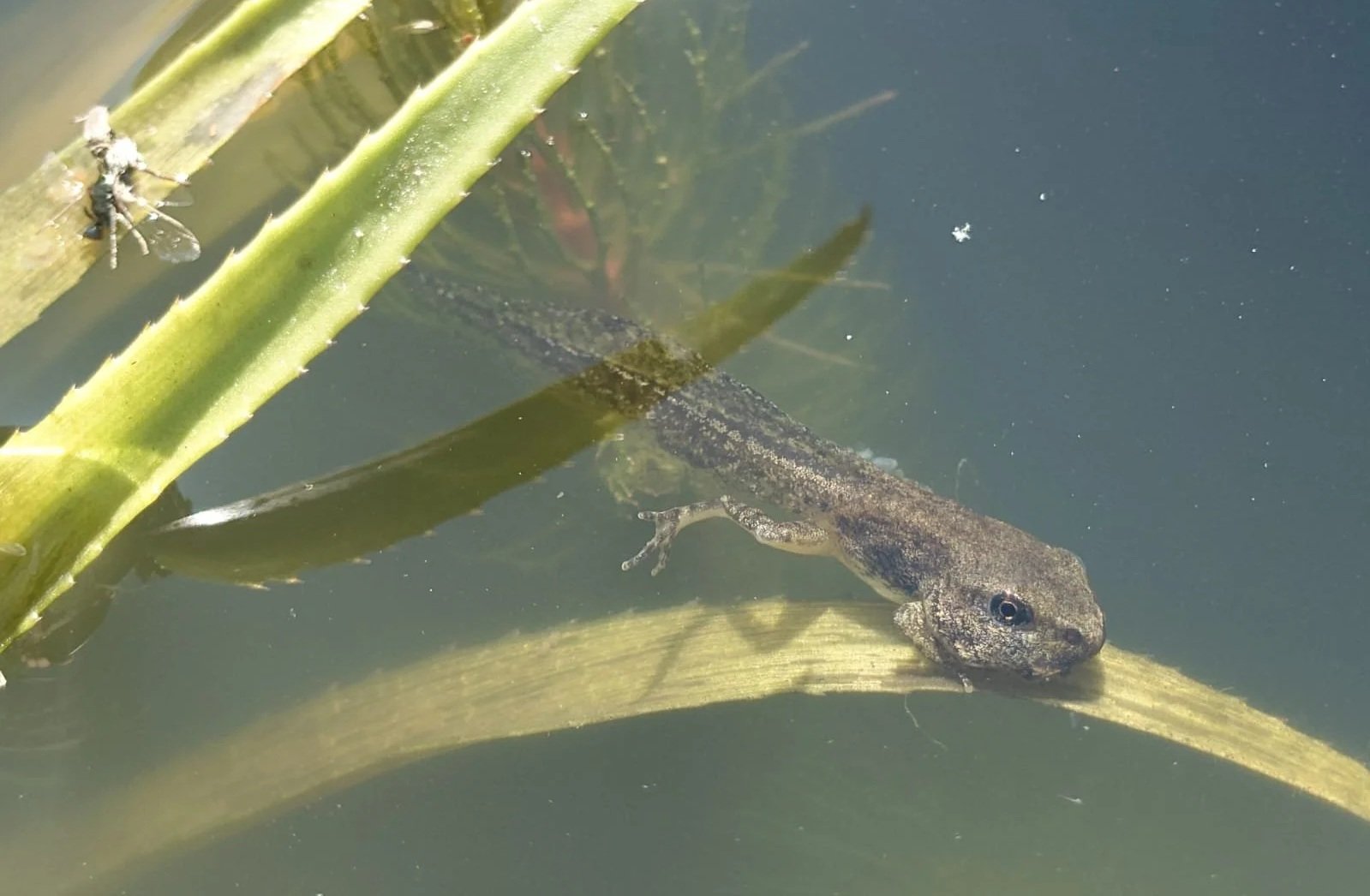
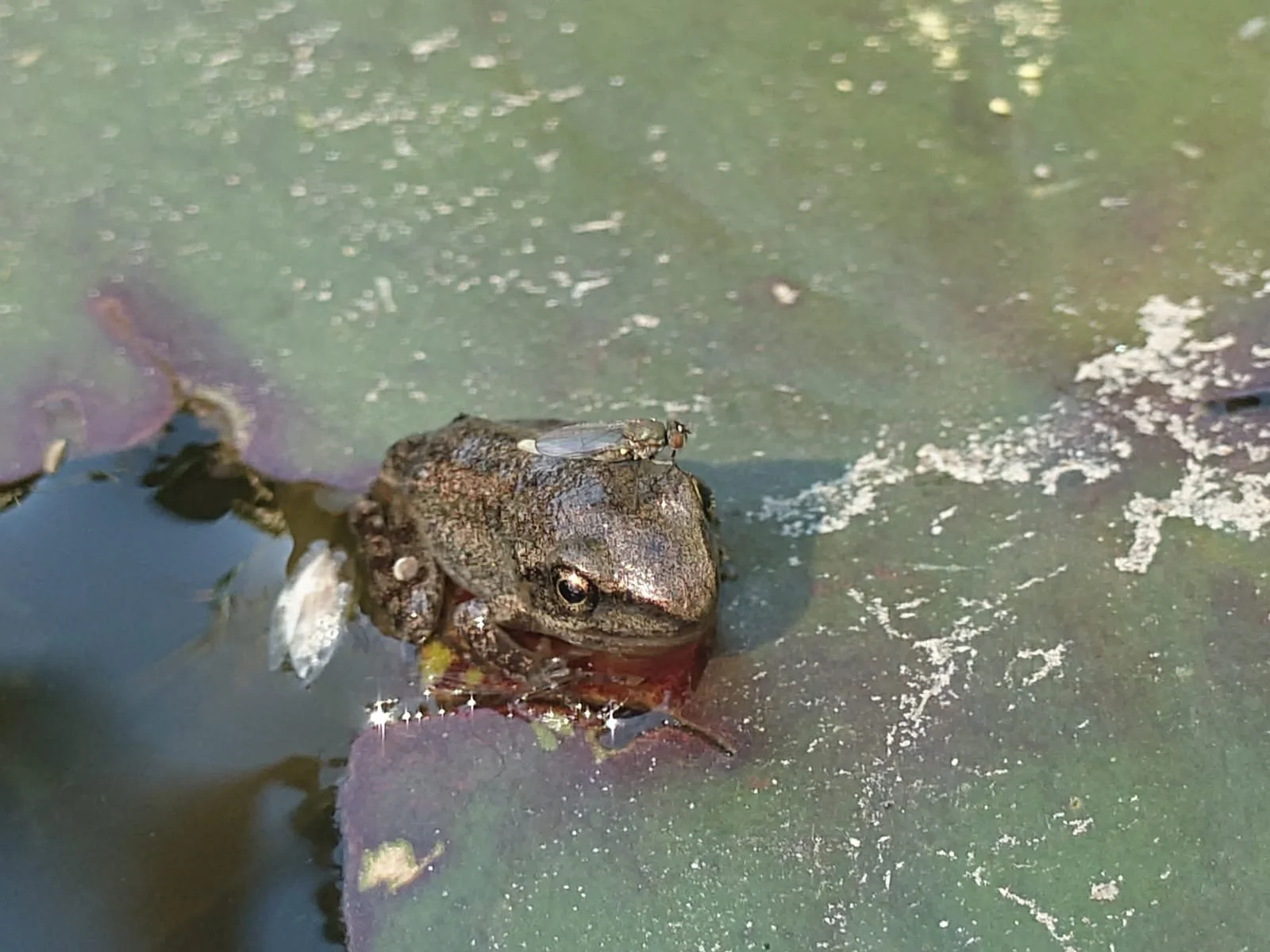
A fly landed on the head of a tiny frog / une petite mouche sur la tête d’une grenouille
Learn more
If your imagination has been captured and you want to learn more, please take a look these initiatives, pesticide-free nurseries and organic seed suppliers, or contact a local organisation for biodiversity in your area.
Ireland: World Bee Sanctuary
The Netherlands: Organic seed supplier Lottta
Organic potting mix with minimal peat Bio Kultura
Plant nursery Inhemia
Germany: Perennial seed supplier with a range of organic seed Jelitto
France & Belgique: Organic seed supplier / semences biologiques Semaille
France: Organic seed supplier / semences biologiques Kokopelli